
Allegations of Unconstitutional Violations—Understanding and Defending Against Monell Claims

Introduction
Municipal liability under Monell v. Department of Social Services, 436 U.S. 658 (1978), is a critical doctrine in civil rights litigation, particularly under 42 U.S.C. § 1983. Defense attorneys representing local governments must understand the nuances of Monell to effectively manage risk and defend against potentially costly claims.
What Is Monell Liability?
Monell established that local governments (cities, counties, and their departments) can be held liable under § 1983—but not on a theory of respondeat superior. Instead, liability arises only when a constitutional violation stems from an official “policy or custom.”
Courts generally recognize three ways to prove a municipal policy or custom:
- Formal Policy – A written ordinance, regulation, or policy that causes the violation.
- Widespread Practice or Custom – A pattern of behavior so persistent and widespread that it constitutes the government’s standard operating procedure.
- Failure to Train, Supervise, or Discipline – Inadequate training or supervision that demonstrates deliberate indifference to constitutional rights.
Challenges in Monell Cases
Monell claims often survive initial motions to dismiss, especially when paired with discovery demands for policy documents, training materials, and internal investigations. Plaintiffs may also try to bootstrap individual misconduct claims into Monell claims by alleging insufficient training or institutional indifference.
This can create a litigation predicament—complex discovery, expert testimony, and high settlement demands. For defense counsel, understanding how to challenge the validity and scope of Monell claims early is vital.
Strategies for Defense Attorneys
- Challenge Causation Early
Emphasize that Monell requires a direct causal link between the policy/custom and the constitutional violation. Point out when plaintiffs offer conclusory allegations without showing how the municipality’s actions were the “moving force” behind the harm. - Demand Specificity in Pleadings
Use Rule 12(b)(6) to push back against vague or boilerplate allegations. Courts often require specific facts demonstrating a policy or custom—not mere recitations of legal standards. Highlight the absence of facts that link the alleged policy to the plaintiff’s harm. - Separate Individual and Monell Claims
Argue for bifurcation of the case, separating individual capacity claims from municipal liability. Many courts grant this to prevent prejudice, reduce discovery burdens, and streamline litigation. This tactic can often drive settlement of individual claims before reaching costly Monell discovery. - Leverage Qualified Immunity Strategically
While municipalities are not entitled to qualified immunity, individual defendants are. Dispositive rulings in favor of individuals can weaken the foundation for Monell claims—especially if the court finds no constitutional violation occurred. - Audit Policies and Training Proactively
Defense attorneys advising municipal clients should recommend regular audits of training protocols and internal procedures, particularly in high-risk areas like police use-of-force, jail operations, or child welfare. An up-to-date and constitutionally sound policy framework is the best defense to Monell exposure. - Consider Summary Judgment Motions
Even if a case survives dismissal, plaintiffs still bear the burden of proving deliberate indifference and a causal link. Summary judgment remains a powerful tool where plaintiffs fail to show that the municipality’s policy was more than just negligent.
Conclusion
Monell liability presents unique challenges and high stakes for municipalities. Defense attorneys should act early to narrow claims, limit discovery, and protect their clients from unwarranted exposure. By attacking the sufficiency of allegations and maintaining strong internal policies, municipalities can avoid the trap of institutional liability based on isolated misconduct.
About the Authors
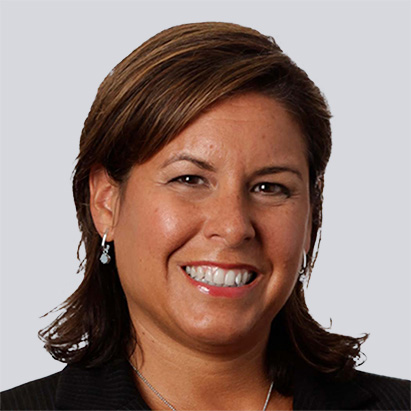
Rosa M. Tumialán is a partner and Co-Chair of Tressler’s Insurance Services Practice Group, Chair of the Appellate Practice Group and a member of the firm’s national Diversity, Equity and Inclusion Committee. Rosa focuses her practice on insurance coverage and litigation. She is an accomplished defense attorney with more than twenty years of experience. Rosa’s insurer-related services include coverage opinion analysis and representing insurers in complex coverage disputes relating to personal and commercial lines, third party claims, surplus lines as well as claims handling practices and extracontractual liability. She has also litigated environmental coverage disputes throughout the Midwest for various insurers relating to superfund sites. Click here to read Rosa’s full attorney biography.
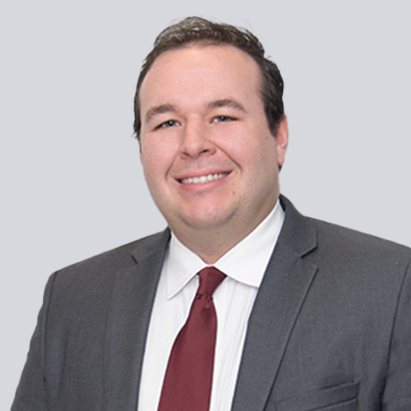
Xander M. Landy is an associate attorney and member of Tressler’s Litigation Practice Group in Chicago. Xander focuses his practice on a wide range of complex civil litigation matters and has a depth of experience in the areas of general liability, including product defense and premise liability defense. He frequently handles trucking and transportation litigation, taking cases from inception to resolution. Xander also has experience defending against civil rights claims in Federal Court. Click here to read Xander’s fully attorney biography.