
Nevada Supreme Court Rules that Insurers Who Contribute Toward Settlement are Permitted to Seek Equitable Subrogation Against Primary Insurers Who Fail to Accept Reasonable Settlement Offers
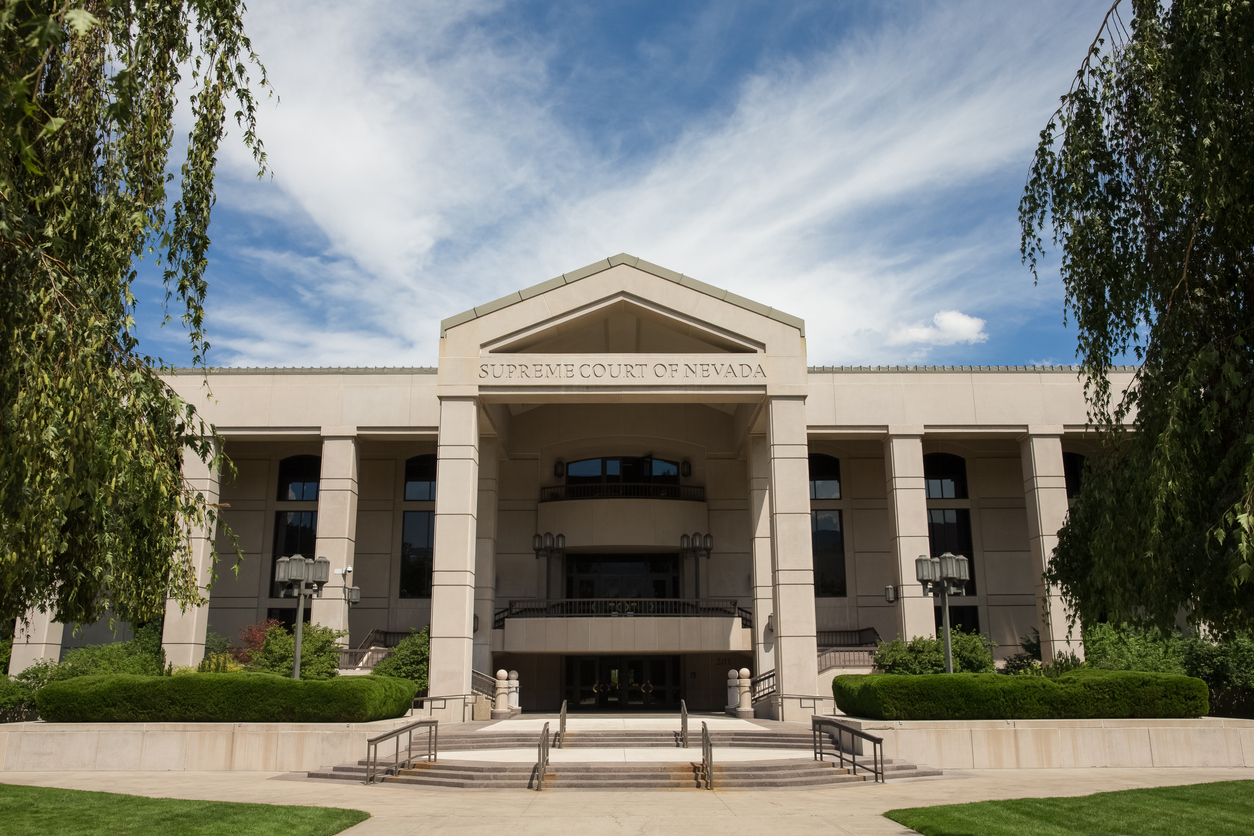
On January 29, 2026, the Nevada Supreme Court answered a certified question from the United States Court of Appeals for the Ninth Circuit: Under Nevada law, can an excess insurer state a claim for equitable subrogation against a primary insurer where the underlying lawsuit settled within the combined policy limits of the insurers? The Nevada Supreme Court, in N. River Ins. Co. v. James River Ins. Co., 142 Nev. Adv. Op. 7, 582 P.3d 1113, 1115 (2026), found that an excess insurer may state a claim for equitable subrogation against a primary insurer when the insured would have suffered loss absent the excess insurer’s discharge of the liability, regardless of whether the suit settled within the combined policy limits of the insurers.
In N. River Ins. Co. v. James River Ins. Co., 116 F.4th 855, 857 (9th Cir. 2024), a victim’s estate sued a Las Vegas, Nevada, apartment complex for negligence and wrongful death after a murder at the complex. Id. The case ultimately settled, and after paying the remainder of the settlement, the excess insurer sued the primary insurer, asserting an equitable subrogation claim and alleging that the primary insurer breached its duty to settle and the implied covenant of good faith and fair dealing by rejecting initial settlement demands that were at or within its policy limits. Id.
The Ninth Circuit engaged in a choice of law analysis between California and Nevada, recognizing that while Nevada generally recognizes the doctrine of equitable subrogation, two unpublished decisions from the Nevada Supreme Court prohibited an excess insurer from bringing an equitable subrogation claim against a primary insurer when the underlying settlement fell within the insurers’ collective policy limits. See St. Paul Fire & Marine Ins. Co. v. Nat’l Union Fire Ins. Co. of Pittsburgh, PA, 521 P.3d 418, 2022 WL 17543613 at *1-2 (Nev. 2022) (because the settlement fell within the total policy limits, the insured “did not suffer damages to subrogate,” and thus no claim for equitable subrogation could proceed). See also Aspen Specialty Ins. Co v. Eighth Jud. Dist. Ct. in & for Cnty. of Clark, 528 P.3d 287, 2023 WL 3185274 at *2 (Nev. 2023) (“the four insurers settled the litigation…without exceeding the collective policy limits,” and thus held that there were “no damages which [the excess insurer] can acquire.”). Ultimately, the Ninth Circuit decided that the Nevada Supreme Court should be the first to determine whether equitable subrogation is permitted between two insurers in this context and certified the question to the Nevada Supreme Court to clarify Nevada law. Id. at 860.
In a unanimous ruling, the Nevada Supreme Court held:
An excess insurer that pays toward a settlement against its insured may pursue reimbursement from the primary insurer for the primary insurer’s failure to accept a reasonable settlement offer within the primary insurer’s policy limit. Specifically, we conclude that equitable subrogation allows the excess insurer to stand in the shoes of the insured and assert all claims against the primary insurer that the insured itself could have asserted.
N.River Ins. Co., 2026 142 Nev. Adv. Op. 7, 12.
The court reasoned that the insured would have been exposed to $4 million in liability had its excess insurer not funded its portion of the settlement. In turn, the insured could have sued its primary carrier and sought to recoup the $4 million that was in excess of its primary policy limit. Id. at 10-11. As such, if the insured could have sued its primary insurer for failure to reasonably settle, the excess insurer that discharged the insured’s liability could too. Id.
The Nevada Supreme Court’s decision greatly expands the scope of equitable subrogation between excess and primary insurers in Nevada. This decision establishes strong precedent that insurers who contribute toward settlement are permitted to seek equitable subrogation against primary insurers who fail to accept reasonable settlement offers. The Nevada Supreme Court centered its decision on public policy concerns, reasoning that this decision “promotes fair settlement practices, disincentivizes primary insurers from rejecting reasonable settlement offers, and levels the playing field for insureds who have obtained additional, excess coverage.” Id. at 14.
About Grace Delott

Grace Delott is an associate in Tressler’s Insurance Practice Group in our Chicago office. Grace provides comprehensive coverage analysis and defense in disputes involving a wide range of policies, including commercial general liability coverage, professional liability coverage and reinsurance. Read Grace’s full bio here.